September 23, 2026
From basic replacements to premium systems, here’s what really affects the cost of gas logs in your Roanoke-area home.
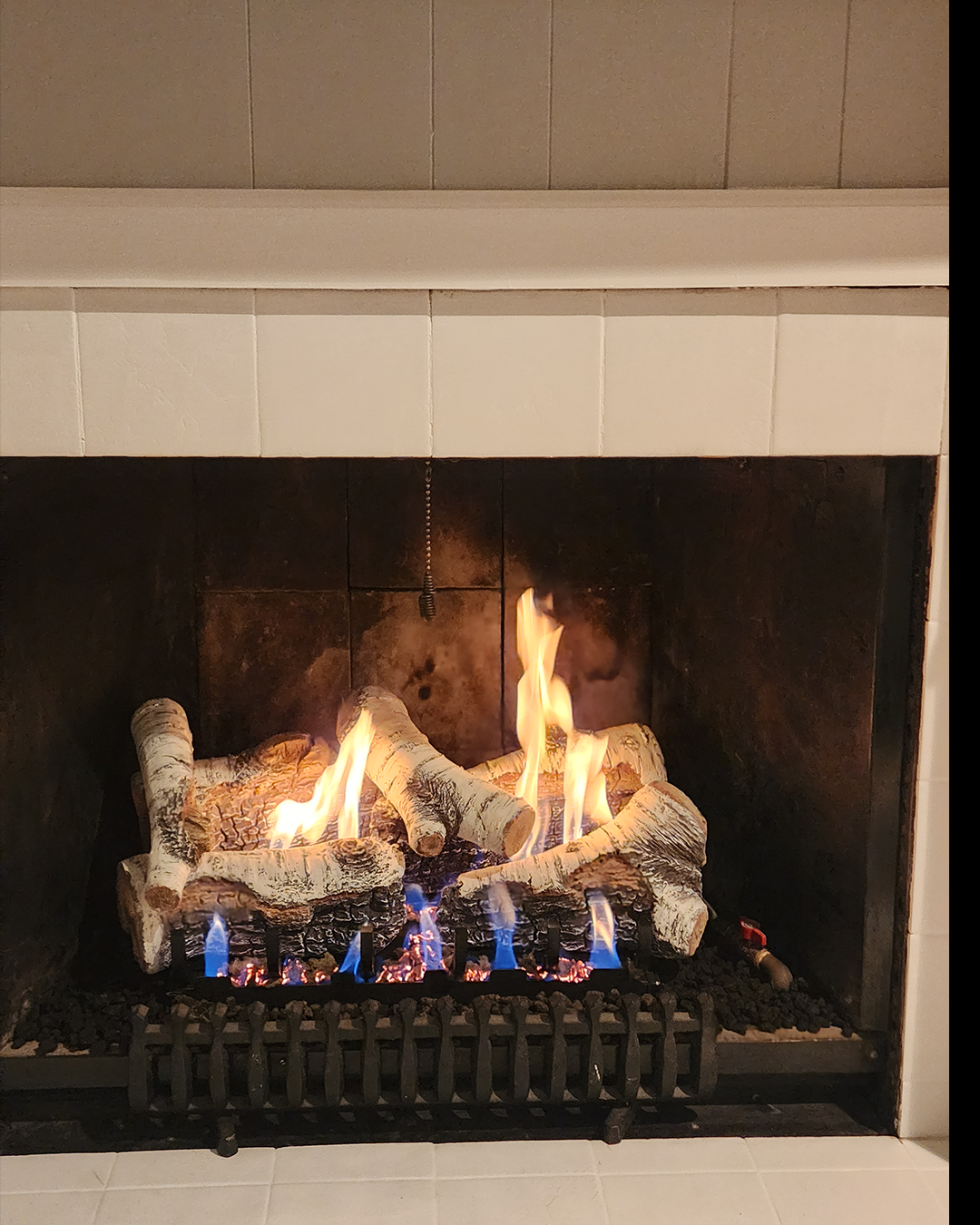
“So how much are gas logs?”
Easy question.
Unfortunately, it has roughly the same answer as asking:
“How much is a truck?”
Are we talking about a basic two-wheel-drive work truck with crank windows, or did you just wander onto the Denali lot with poor impulse control?
Gas logs work the same way.
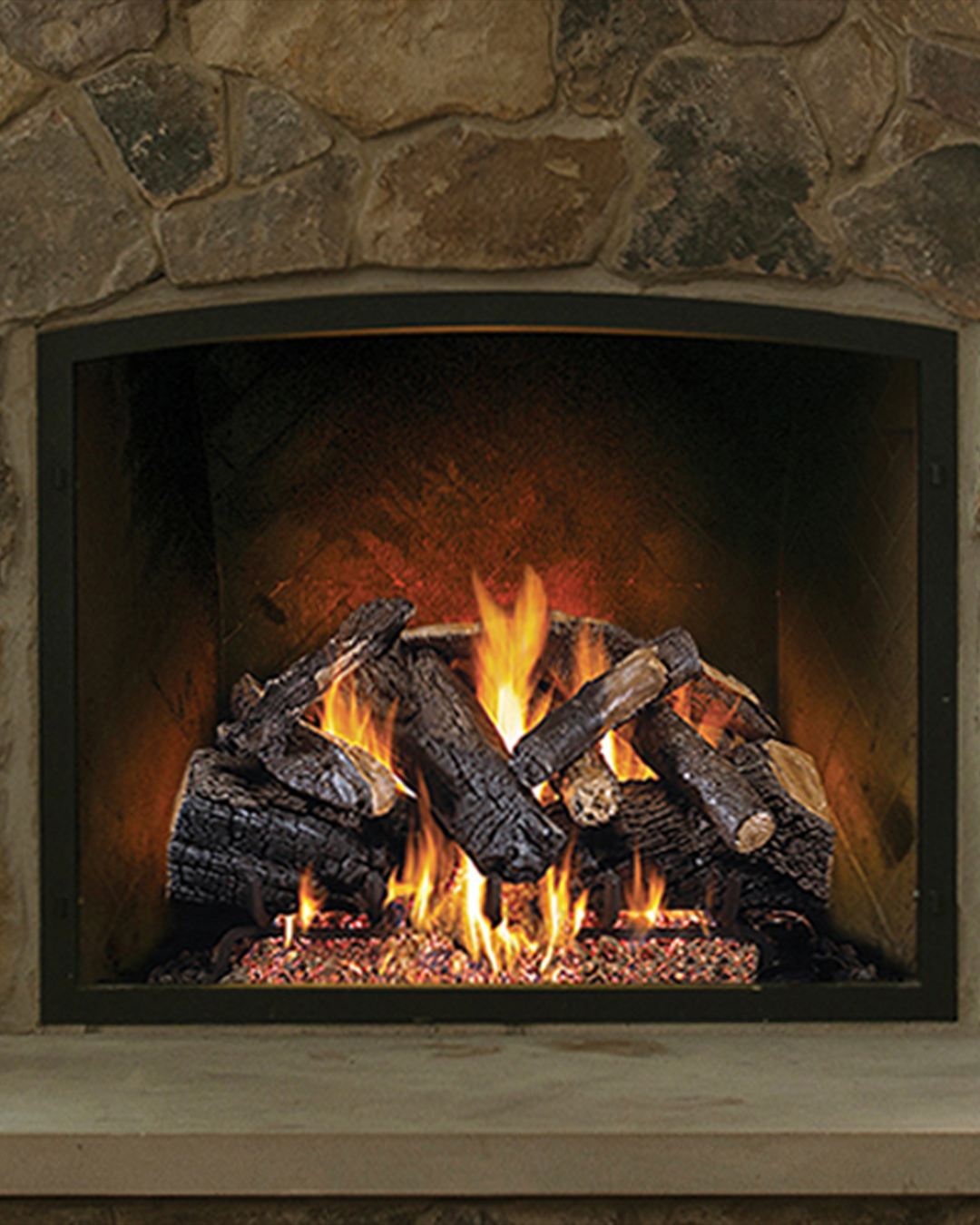
You can buy an inexpensive basic log set. You can also build a premium gas log system with incredibly realistic logs, multiple burners, glowing embers, electronic ignition, variable flame control and a remote that does everything short of bringing you a blanket.
And then there’s the fireplace itself.
Does it already have gas?
Is it natural gas or propane?
Is the chimney usable?
Are you replacing an existing gas log set or converting a wood-burning fireplace?
Do you want heat, flame appearance, or both?
All of those things affect the final cost.
At Skyline Hearth & Fire, we sell, install and service gas logs throughout Roanoke, Salem, Vinton, Cave Spring, Botetourt County, Bedford, Forest, Lynchburg, Smith Mountain Lake, Moneta, Lexington, Blacksburg, Christiansburg and surrounding areas of Southwest Virginia.
So let’s answer the question people actually came here to ask.
How Much Do Gas Logs Cost in Roanoke, VA?
For most homeowners, a complete professionally installed gas log project can fall anywhere from roughly $1,000 to $4,000 or more, depending on the gas log system, controls, fuel type, existing fireplace and whether additional gas work is required.
That is a planning range — not a quote.
A relatively straightforward replacement where gas is already present can stay toward the lower end.
A premium vented log system with electronic controls, remote operation or a larger log set moves higher.
Add a new gas line, propane work, modifications to the fireplace, chimney concerns or other corrective work, and the overall project can climb from there.
Current manufacturer pricing shows just how wide the equipment range itself can be.
Depending on size, burner and controls, premium gas log systems can range from several hundred dollars to well above $2,000 before installation or additional gas work is considered.
That is why the better question usually isn’t:
“How much are gas logs?”
It’s:
“What kind of gas log system makes sense for my fireplace and how I want to use it?”
What Are You Actually Paying For?
A complete gas log system is more than a pile of fake logs sitting over a pipe.
Depending on the manufacturer and system, you may be purchasing the decorative logs, burner system, grate, ember material, gas controls, pilot or ignition system, remote-control components and other manufacturer-required parts.
And quality matters.
Premium gas logs are designed to reproduce the shape, texture and coloration of real wood while pairing those logs with a burner specifically engineered to produce the intended flame pattern.
Manufacturers such as RH Peterson Real Fyre, Grand Canyon Gas Logs, Empire and others offer an enormous range of log styles, burners, sizes and control systems.
Grand Canyon, for example, offers vented systems in sizes ranging far beyond the typical residential 18-, 24- and 30-inch sets, while its logs are individually cast and hand-finished to create realistic wood characteristics.
In other words, two boxes that both say “24-inch gas logs” may be completely different products.
Vented Gas Logs vs. Vent-Free Gas Logs
This is one of the biggest decisions affecting both price and performance.
Vented Gas Logs
Vented gas logs are installed in a suitable fireplace with a functioning chimney or flue.
If your priority is recreating the look of an open wood fire without actually hauling wood through the house, premium vented gas logs are tough to beat.
You can get large natural-looking flames, glowing embers and extremely realistic log arrangements.
The tradeoff is heat.
Because the fireplace has to vent combustion products outdoors, a significant portion of the heat also travels up the chimney.
So we typically look at vented gas logs first when someone tells us:
“I care more about how the fire looks than heating the entire room.”
Vent-Free Gas Logs
Vent-free gas logs operate without exhausting through a conventional chimney.
Because that heat is not being sent up the flue, vent-free systems can provide significantly more supplemental room heat.
But vent-free does not mean:
“Buy one that looks about the right size and throw it in there.”
The fireplace or firebox has to be appropriate for the application. Room size, burner input, manufacturer specifications, gas supply and applicable codes all matter.
Empire, for example, manufactures both vented and vent-free hearth products and incorporates specific safety systems into its vent-free appliances.
If you’re still trying to determine whether gas logs, a gas fireplace insert or an entirely new fireplace makes more sense, start with our Gas Logs vs. Gas Fireplace Insert vs. Gas Fireplace guide.
That article handles the “which system?” question.
This one handles the damage to your wallet.
Does a Remote Increase the Cost?
Yep.
And most people who buy one would do it again.
Basic systems may use a manual valve or simpler control arrangement.
Move into millivolt or electronic ignition systems, variable flame control, thermostatic operation and full-function remotes, and the equipment price increases.
But convenience increases too.
There is something pretty hard to dislike about sitting on the couch, hitting a button and having a fire.
Especially when the alternative is splitting wood at 7:00 on a Tuesday night because somebody suddenly decided the living room needed “ambiance.”
Natural Gas vs. Propane
Gas logs can commonly be configured for either natural gas or propane, depending on the specific manufacturer and model.
The fuel itself usually isn’t the biggest factor in the equipment price.
The bigger question is:
Do we already have the correct gas supply at the fireplace?
If you already have an approved gas connection in the firebox and we’re replacing an existing gas log system, the project can be relatively straightforward.
If we’re converting a wood-burning fireplace to gas, somebody may need to run a new gas line.
That means evaluating the gas supply, route, pipe sizing, appliance BTU requirements and any additional work necessary to get fuel safely to the fireplace.
On propane systems, the location of the tank, regulators and existing LP piping can also affect the project.
So when someone calls and asks us for an exact installed price based solely on:
“I have a fireplace.”
Well…
We’re gonna need at least one more clue.
Gas Log Size Matters
Bigger is not automatically better.
A 30-inch gas log set does not belong in every fireplace that happens to be more than 30 inches wide.
Proper sizing can depend on front width, rear width, depth, height, gas connection location and the clearance requirements for the selected burner system.
RH Peterson's own measuring guidance calls for multiple firebox measurements rather than simply measuring across the front opening.
This is also why buying gas logs online based on one measurement can turn into an expensive game of Fireplace Tetris.
We'd rather measure it correctly first.
Can I Just Replace My Old Gas Logs?
Often, yes.
If you already have an existing gas log set, replacing it may be one of the simplest ways to dramatically improve the appearance of the fireplace.
But we still need to evaluate what is there.
Sometimes the old burner is shot.
Sometimes the control system is obsolete.
Sometimes the logs have deteriorated.
Sometimes the gas valve needs attention.
And sometimes we discover a collection of mismatched parts assembled over the last 25 years by three homeowners, two contractors and somebody's Uncle Randy.
At that point, we're not really replacing logs.
We're conducting an archaeological dig.
For existing systems that need cleaning, inspection or repair rather than replacement, Skyline provides professional gas log service in Roanoke and surrounding areas.
Why Do Premium Gas Logs Cost More?
Mostly because you can see the difference.
Better systems typically offer more realistic log castings, more detailed coloring, improved ember presentation, more sophisticated burner designs and better flame distribution.
Premium systems may also offer upgraded controls, electronic ignition, variable flame adjustment and higher-end burners.
RH Peterson Real Fyre, for example, manufactures numerous vented burner platforms and dozens of log styles ranging from traditional oak designs to charred logs, birch and driftwood presentations.
Grand Canyon offers everything from traditional oak and aspen designs to juniper, driftwood and oversized custom systems.
That variety matters because the fireplace is usually one of the biggest visual features in the room.
If you're going to stare at it for the next 15 years, buying entirely based on which box was cheapest on the internet probably isn't the strategy we'd recommend.
Gas Logs or a Gas Fireplace Insert?
Sometimes people come into our showroom convinced they want gas logs.
Then we start talking.
They want serious heat.
They want sealed glass.
They want thermostatic control.
They want a blower.
They want maximum efficiency.
They want a completely finished appliance.
At that point, we may start discussing a gas fireplace insert instead.
That's not us trying to sell the customer something more expensive.
It's us trying to keep someone from spending money on the wrong solution.
Gas logs and gas fireplace inserts do different jobs.
If all you want is a gorgeous open-flame appearance and the convenience of gas, vented gas logs may be perfect.
If supplemental heat is the priority, a vent-free system or gas insert may deserve a closer look depending on the house and application.
The house gets a vote.
Professional Gas Log Installation in Roanoke, VA
Gas log installation involves a fuel-burning appliance.
That means gas connections, burner setup, log placement, ignition components, clearances and — with vented systems — a fireplace and chimney that need to operate correctly.
Log placement itself can affect combustion and soot formation. RH Peterson's installation instructions specifically warn that improper spacing or continued flame impingement can contribute to carbon buildup and sooting.
This is one of the reasons we strongly recommend professional installation rather than treating gas logs like another decorative fireplace accessory.
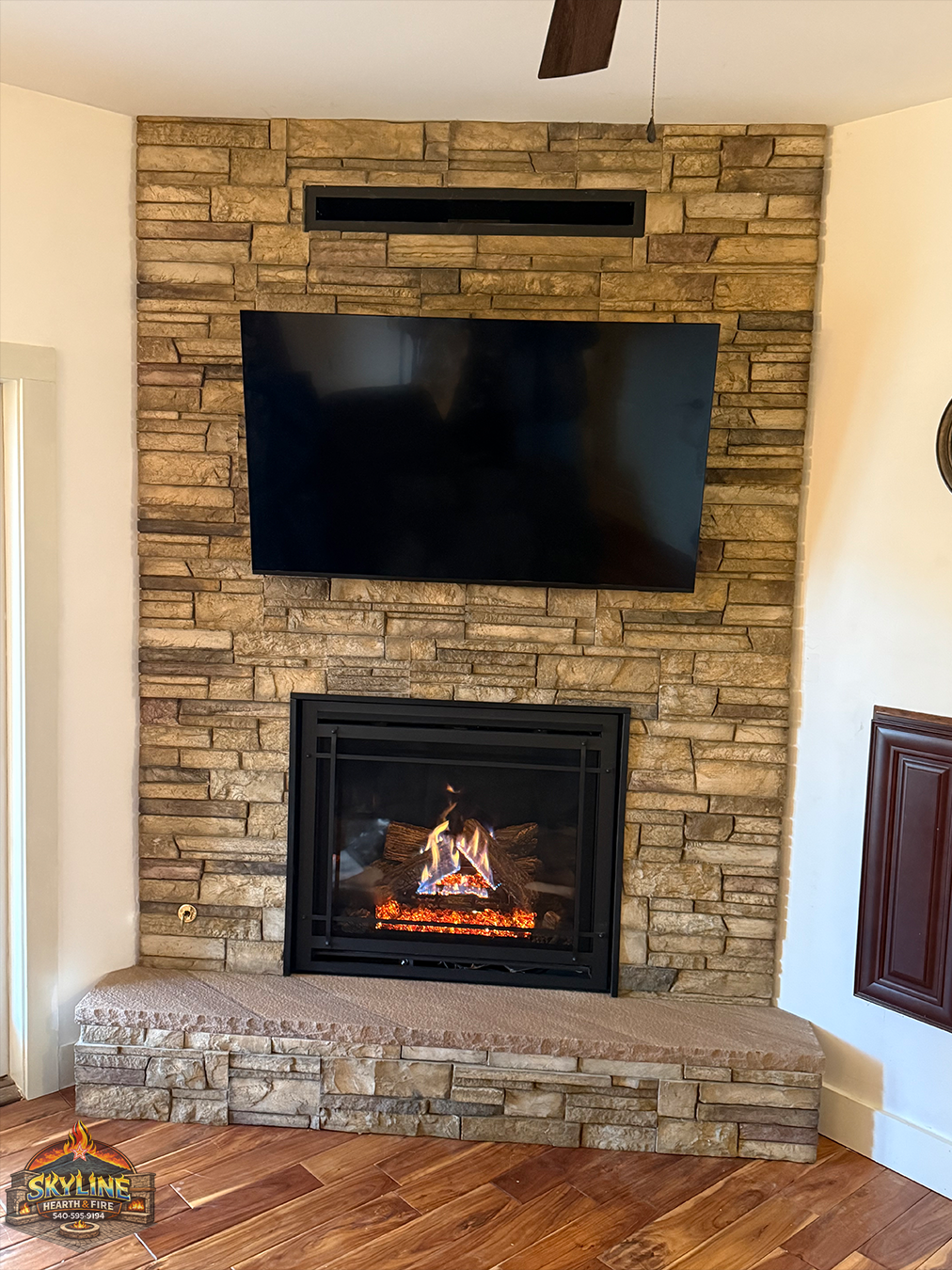
Skyline Hearth & Fire provides professional fireplace installation services including vented gas logs, vent-free gas logs, wood-to-gas conversions, gas fireplace inserts and complete fireplace replacements.
Frequently Asked Questions About Gas Log Costs
How much does it cost to replace existing gas logs?
If the gas supply and existing fireplace are already appropriate, replacing an old gas log system is usually one of the less complicated gas fireplace upgrades. Final cost depends heavily on the log set, burner and control system selected.
Can I use my existing burner and just buy new logs?
Sometimes replacement logs are available for a specific approved burner system, but logs and burners are not universally interchangeable. Manufacturer listings and installation instructions matter.
Are vented gas logs cheaper than vent-free logs?
Not always. Pricing depends more on the specific burner, log set, size and control package than simply whether the system is vented or vent-free.
Do I need electricity for gas logs?
Some systems do not require household electricity, while electronic ignition systems or certain controls may. The answer depends on the specific appliance.
Can Skyline convert my wood-burning fireplace to gas?
Yes. Skyline provides wood-to-gas fireplace conversions throughout the Roanoke region. Depending on the fireplace and your goals, that may involve gas logs, a gas fireplace insert or another gas fireplace solution.
Do gas logs need maintenance?
Yes.
Gas logs may be simpler than hauling firewood, but “gas” does not mean “maintenance-free.”
Burners, pilots, ignition systems, controls and venting components still need to remain clean and operating correctly.
If yours hasn't been looked at in a while, our guide on when to service a gas fireplace is a good place to start.
Looking for Gas Logs in Roanoke, VA? Come See Them Burn
You can spend three nights staring at gas log pictures online.
Or you can come see what they actually look like burning.
Skyline Hearth & Fire helps homeowners throughout Roanoke, Salem, Vinton, Cave Spring, Botetourt County, Bedford, Forest, Lynchburg, Smith Mountain Lake, Moneta, Lexington, Blacksburg, Christiansburg and surrounding Southwest Virginia communities select, install and maintain gas fireplace systems.
We're locally owned, family owned and veteran owned, with NFI-certified professionals and more than 20 years of fireplace equipment experience.
We also offer a 10% discount on fireplace equipment for veterans and first responders.
Not sure whether you need vented gas logs, vent-free gas logs, a gas insert or something completely different?
That's exactly what we're here for.
Schedule a free in-home fireplace design consultation with Skyline Hearth & Fire, stop by our showroom at 1619 Shenandoah Avenue NW in Roanoke, or call 540-595-9194.
Bring us pictures.
Bring us measurements.
Bring us that 30-year-old gas log set that hasn't worked since the Clinton administration.
We'll figure it out.
Because the goal isn't to sell you the most expensive fireplace.
The goal is to put the right fireplace in the right house and do it right the first time.