November 21, 2026
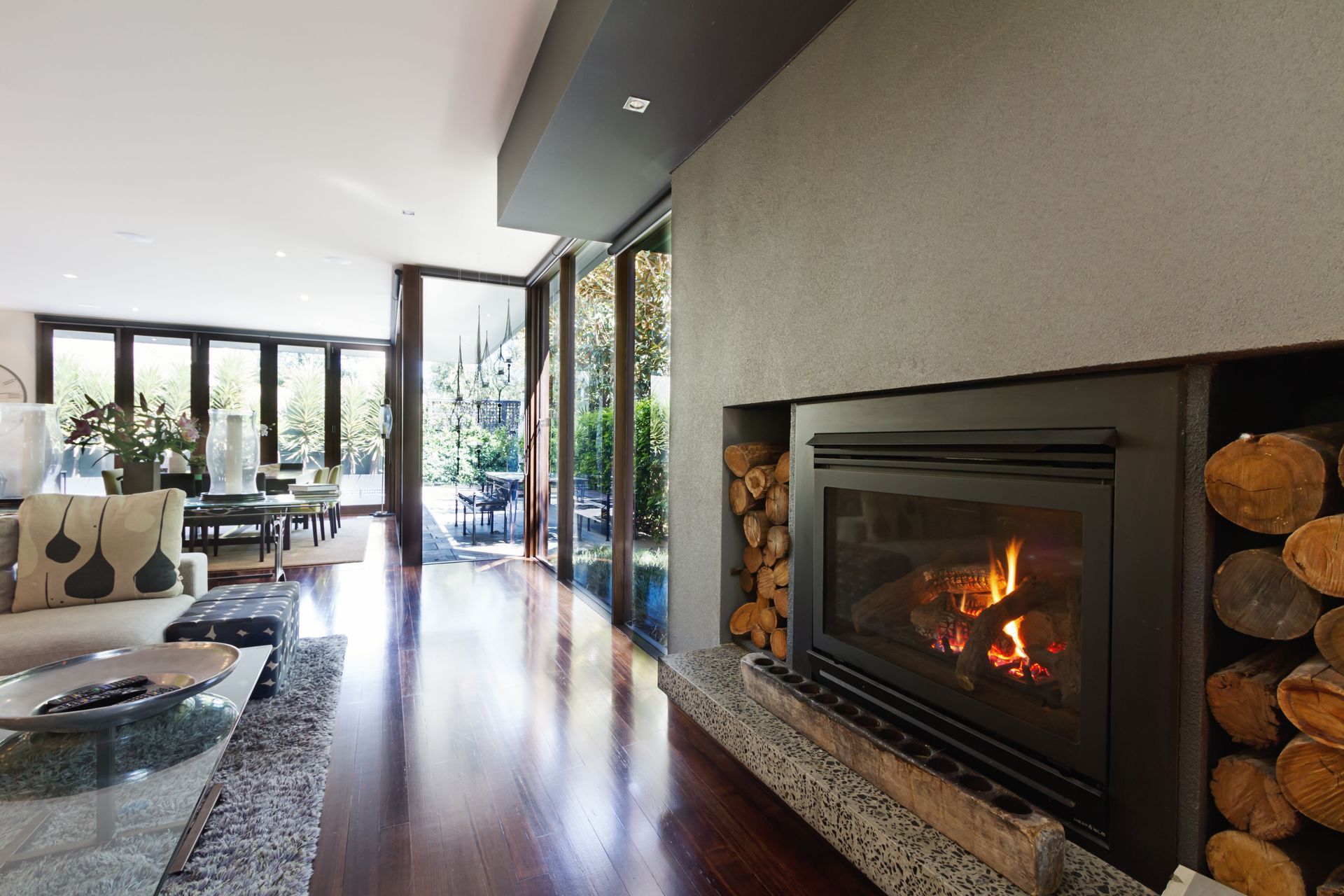
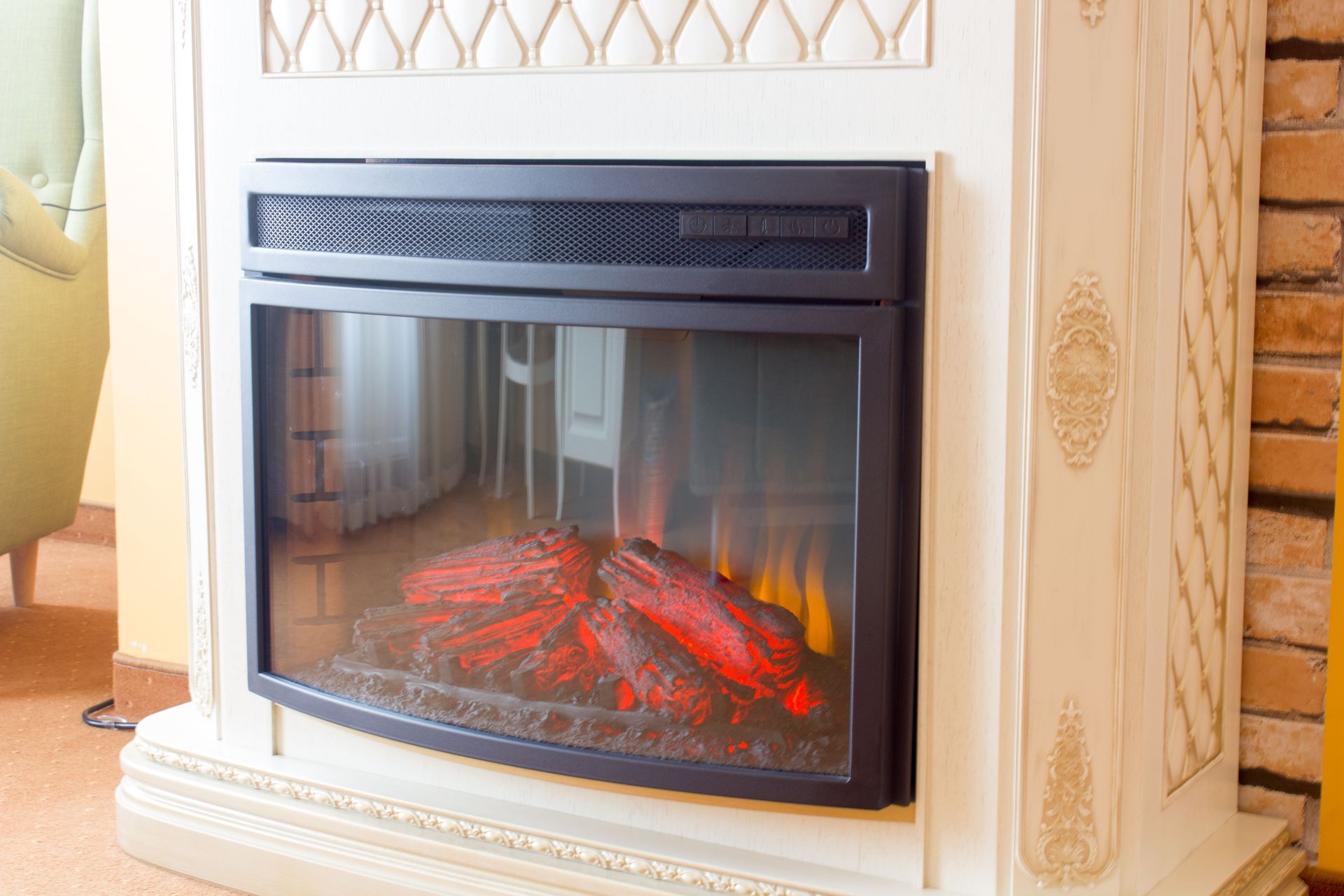
A warm hearth often serves as the central gathering place within a living space, offering warmth, visual charm, and relaxation during cooler months. Gas fireplaces have become increasingly popular among homeowners due to their exceptional convenience, steady heat production, and clean operation. Unlike traditional masonry units that burn cordwood, a gas setup ignites instantly, produces no messy ash, and eliminates the need for ongoing log replenishment. However, this ease of operation can occasionally lead to an out-of-sight, out-of-mind mindset regarding upkeep.
Determining the Ideal Maintenance Schedule
Knowing exactly when to arrange an inspection helps homeowners stay ahead of potential malfunctions and keeps the unit in optimal working order.
Recognizing the Value of Annual Inspections
The primary recommendation across the hearth industry is to schedule a professional evaluation at least once every calendar year. Even when a unit appears to function without an obvious hitch, internal deterioration can occur gradually. Dust accumulates around the burner ports, ignition wires can loosen, and gaskets can degrade over several months of inactivity. An annual gas fireplace service provides a comprehensive health check for the entire heating assembly, catching micro-fissures in ceramic logs, subtle blockages in venting, or slight pressure drops that could compromise home safety.
A gas hearth represents a significant long-term addition to any home's living area and heating plan. According to HomeGuide, putting a new gas unit into a residence typically involves an overall financial commitment spanning anywhere between $2,300 and $10,000. Protecting an investment of that magnitude requires ongoing diligence. Arranging an annual tune-up ensures that the heating system operates efficiently for its full expected lifespan, safeguarding both household comfort and the overall value of the home.
Choosing the Right Time of Year
While maintenance can technically happen at any point on the calendar, early autumn is widely considered the ideal window for an appointment. During late spring and summer, fireplaces sit idle, allowing dust bunnies, pet hair, spiderwebs, and ambient debris to settle inside the pilot assembly, burner pan, and outer louvers. Scheduling a gas fireplace service in the late summer or early fall ensures that the appliance is thoroughly cleaned and fully vetted before the first cold snap arrives.
Arranging an appointment prior to peak heating season also offers practical advantages. Hearth professionals often experience high demand once temperatures drop and homeowners across the region turn on their heaters simultaneously. Booking in early autumn minimizes scheduling wait times. Alternatively, early spring is another viable option, as it allows a specialist to clear away any soot, moisture buildup, or grime accumulated during months of heavy winter heating before the unit is shut down for the warmer months.
Identifying Warning Signs That Require Attention
While annual evaluations form the foundation of proper hearth care, certain symptoms indicate that an appliance requires immediate evaluation before its next scheduled yearly date.
Observing Changes in Flame Quality
The visual appearance of the flame provides clear insight into the combustion process. Natural gas or propane fireplaces are engineered to create a balanced mix of fuel and air, resulting in realistic yellow-orange tips supported by a stable blue base. If the flames suddenly turn entirely solid orange or dull red, it often signifies incomplete combustion caused by clogged burner ports, improper primary air shutter settings, or an incorrect fuel-to-air balance.
Similarly, flames that flicker erratically, lift off the burner tray, or produce excessive dark smoke demand prompt evaluation. Incomplete combustion generates excess soot that can coat the ceramic logs, dirty the viewing glass, and decrease thermal output. When flame patterns change noticeably, arranging a timely gas fireplace service allows an expert technician to balance the gas pressure and restore proper air flow throughout the firebox.
Detecting Unusual Sounds and Odors
A well-maintained gas hearth functions relatively quietly, with only the gentle whisper of burning gas and the soft whir of a distribution fan. If the appliance begins producing loud humming, rattling, grinding, or clicking sounds, mechanical components may be failing. A high-pitched squeal or metallic rattle frequently indicates a blower fan motor that has accumulated heavy dust, lost lubrication, or shifted out of alignment. Delayed ignition, characterized by a sharp popping or booming noise when the fire ignites, occurs when fuel collects before catching a spark, which requires immediate technical diagnosis.
Odors also provide critical clues regarding system health. A faint metallic or dusty smell is normal during the first burn of the autumn season as accumulated dust burns off the heat exchanger. However, if a distinct sulfur or rotten-egg odor is detected, it points to a potential raw gas leak. In such situations, the gas supply should be turned off immediately, the home evacuated, and the utility provider or fire department notified. Persistent chemical smells, melting plastic odors, or smoky aromas indicate blocked exhaust pathways, failing wiring insulation, or overheating components that warrant an immediate gas fireplace service call.
Outlining the Professional Maintenance Process
A thorough inspection involves far more than simply wiping down the glass front. Certified professionals follow an exacting checklist to inspect, clean, and adjust every functional layer of the heating unit.
Inspecting Mechanical and Gas Components
The evaluation begins with a meticulous safety audit of the fuel delivery system. Technicians test gas lines, shutoff valves, pressure regulators, and manifold connections using specialized electronic gas sniffers or bubbling solutions to verify there are zero microscopic leaks. They also evaluate the main control valve and internal wiring harnesses to confirm proper electrical resistance, correct grounding, and responsive control sequences.
The inspection continues into the firebox itself. Technicians examine the condition of the ceramic logs, glowing embers, and burner tray. Over years of thermal stress, ceramic logs can form hairline fractures or deteriorate; placing them improperly can disrupt burner flame patterns and generate harmful soot. Technicians carefully position logs according to manufacturer specifications, clear burner ports of carbon scale, and check the structural integrity of the firebox walls and heat shields.
Cleaning Internal Chambers and Glass Surfaces
Gas fireplaces operate in a sealed or semi-sealed environment, but airflow continuously draws in room dust, airborne cooking residues, and pet dander. During a gas fireplace service, a technician utilizes specialized vacuums with HEPA filtration to extract debris from the lower control cavity, fan blades, and pilot assembly without dispersing particulates back into the living space.
The interior and exterior of the ceramic viewing glass also receive dedicated cleaning. Over time, chemical minerals from the fuel and off-gassing from interior paint can leave a hazy, white, or cloudy film on the glass. If left unattended, this residue can bake permanently into the glass under high temperatures. Technicians use non-abrasive cleaners specifically formulated for fireplace glass to restore clarity without scratching the tempered or ceramic surface. They also examine the glass gasket, ensuring the airtight seal remains intact to stop combustion gases from leaking into the room.
Supporting Efficiency and Home Longevity
Scheduling recurring
gas fireplace service delivers tangible returns that extend well beyond seasonal warmth. A clean, properly calibrated burner consumes fuel at peak efficiency, extracting maximum heat output from every unit of gas consumed and keeping heating costs manageable throughout cold weather. Furthermore, catching minor component degradation early avoids costly system breakdowns in the dead of winter. Maintaining clean venting and pristine glass prevents premature structural aging of the hearth surround, keeping the entire installation attractive and safe for years of reliable comfort.
To maintain optimal comfort, efficiency, and home safety throughout every heating season, consider scheduling a comprehensive inspection with the certified hearth specialists at Skyline Hearth and Fire.