March 19, 2026
A Patio Should Be More Than Just a Flat Surface
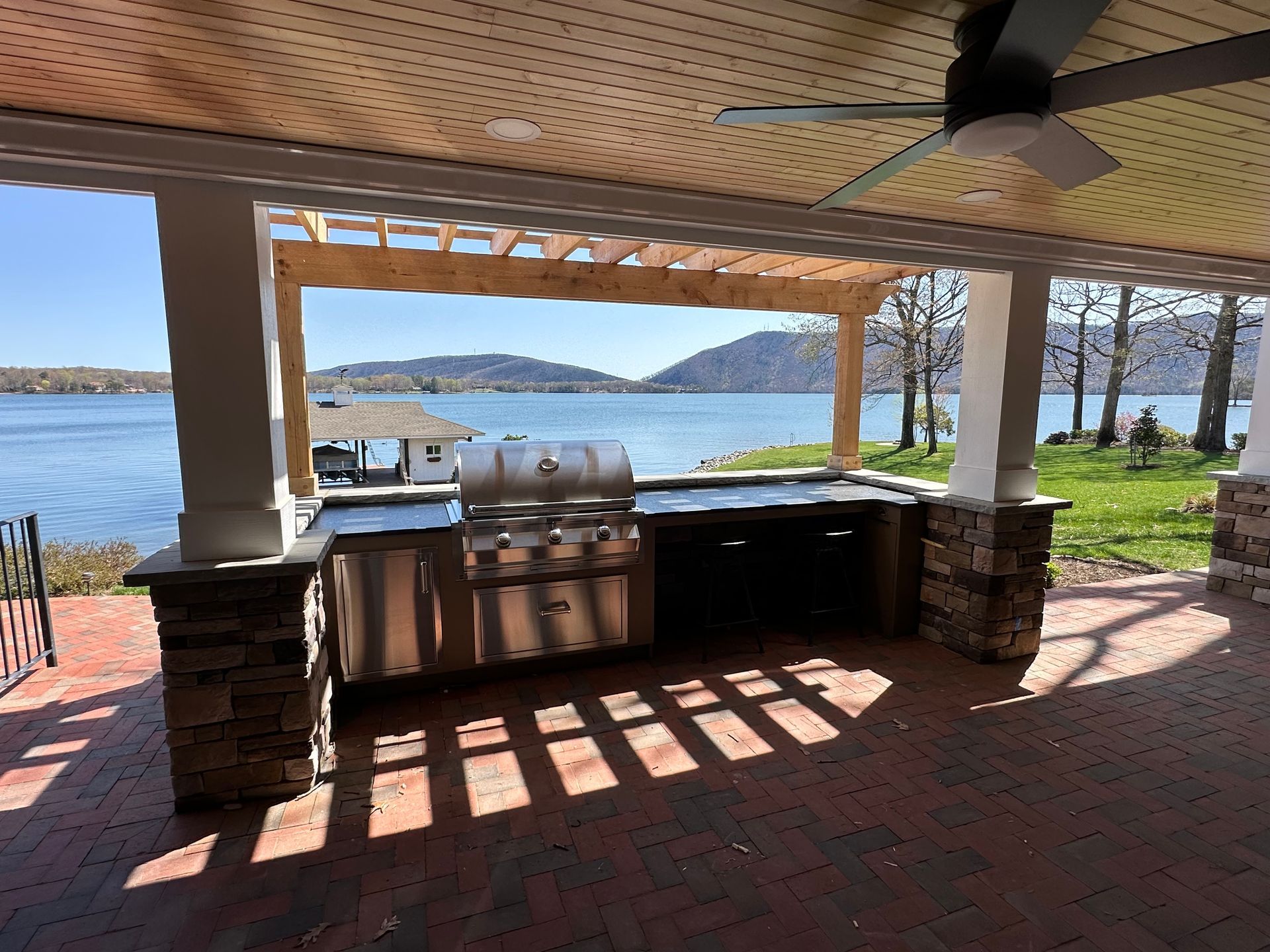
A well-designed patio can completely transform the way you use your backyard. It becomes a place for relaxing, entertaining friends, enjoying family dinners, or gathering around a fire feature in the evening.
However, many homeowners discover after their patio is finished that it doesn't function the way they expected. This often happens because important design considerations were overlooked during the planning phase.
Understanding the most common patio design mistakes can help ensure your outdoor living space works the way it should for many years to come.
1. Building a Patio That’s Too Small
One of the most common mistakes homeowners make is building a patio that simply isn't large enough.
When planning a patio, it’s important to account for how the space will actually be used. Patios should allow room for several elements including:
• outdoor furniture
• dining tables
• seating areas
• fire features
• walking space around furniture
Without enough space, patios can quickly feel crowded and uncomfortable. Proper planning ensures the patio is large enough to support the activities you want to enjoy outdoors.
2. Ignoring Proper Drainage
Drainage is one of the most important aspects of any patio installation, yet it is often overlooked.
Without proper grading and drainage systems, water may collect on the patio surface or run toward the home. Over time this can lead to problems such as:
• standing water
• shifting pavers
• erosion around the patio
• foundation concerns
Professional installation ensures water drains away from the patio properly.
3. Poor Placement of Fire Features
Outdoor fireplaces and fire pits are often the centerpiece of a patio, but their placement is extremely important.
When positioned incorrectly, fire features can cause problems such as:
• smoke blowing directly toward seating areas
• heat not reaching guests
• awkward seating layouts
Careful planning ensures the fire feature becomes a comfortable gathering space rather than an inconvenience.
4. Not Planning for Shade
While patios are designed to enjoy the outdoors, too much direct sunlight can make the space uncomfortable during warmer months.
Adding shade elements can make a dramatic difference in how often the patio is used. Popular shade solutions include:
• pergolas
• gazebos
• covered patio structures
• shade sails
These features help make outdoor spaces enjoyable throughout the day.
5. Choosing the Wrong Materials
Patio materials must be able to withstand the local climate. In Southwest Virginia, weather conditions include both hot summers and winter freeze-thaw cycles.
Low-quality materials can deteriorate more quickly under these conditions. Many homeowners prefer high-quality pavers because they provide durability, flexibility, and a wide range of design options.
Choosing the right materials can make a major difference in the longevity of a patio.
6. Forgetting About Lighting
Outdoor lighting plays a major role in both safety and atmosphere.
Without proper lighting, patios can become difficult to use after sunset. Thoughtful lighting design allows the space to remain functional in the evening while also enhancing the overall appearance of the backyard.
Popular outdoor lighting options include:
• pathway lighting
• step lighting
• accent lighting
• fire feature illumination
Lighting helps create a welcoming environment for nighttime gatherings.
7. Designing the Patio One Piece at a Time
Another common mistake is adding patio features gradually without planning the entire space first.
For example, a patio might be installed first, followed later by a fire pit, outdoor kitchen, or seating walls. Without a full design plan, these features may not fit together properly.
Designing the complete outdoor living space from the beginning helps ensure that everything works together seamlessly.
The Importance of Planning the Entire Outdoor Living Space
A patio should never be viewed as a single project. Instead, it should serve as the foundation of a complete outdoor living environment.
When patios are designed alongside other features such as fire pits, fireplaces, outdoor kitchens, and seating areas, the backyard becomes a natural extension of the home.
At Skyline Hardscapes & Outdoor Living, projects are often designed in 3D before construction begins so homeowners can see how the entire space will look and function before work starts.
FAQ
What size patio do most homeowners need?
Patio size depends on how the space will be used, but most patios designed for entertaining need enough room for seating areas and comfortable walkways around furniture.
Do patios increase property value?
Well-designed patios and outdoor living spaces are highly desirable and can increase both property value and buyer appeal.
How long does patio installation take?
Most patio projects take several days to complete depending on the size of the space and any additional features included.
Designing a Patio That Works for Your Lifestyle
A thoughtfully designed patio creates a space where friends and family naturally gather. When planned correctly, it becomes the foundation for outdoor kitchens, fire features, seating areas, and entertaining spaces.
Taking the time to plan the layout, materials, and features carefully ensures your patio will remain functional and enjoyable for years to come.
Skyline Hardscapes & Outdoor Living, a division of Skyline Hearth & Fire, designs and builds custom outdoor living spaces throughout Roanoke, Salem, Smith Mountain Lake, Blacksburg, Christiansburg, Lexington, Forest, and Bedford, Virginia.
If you're considering a patio, fire feature, outdoor kitchen, or full backyard transformation, a professional design consultation can help you explore the possibilities for your outdoor space.